Embedded Payments in India
How the best checkout experiences are becoming invisible — and why that changes everything.
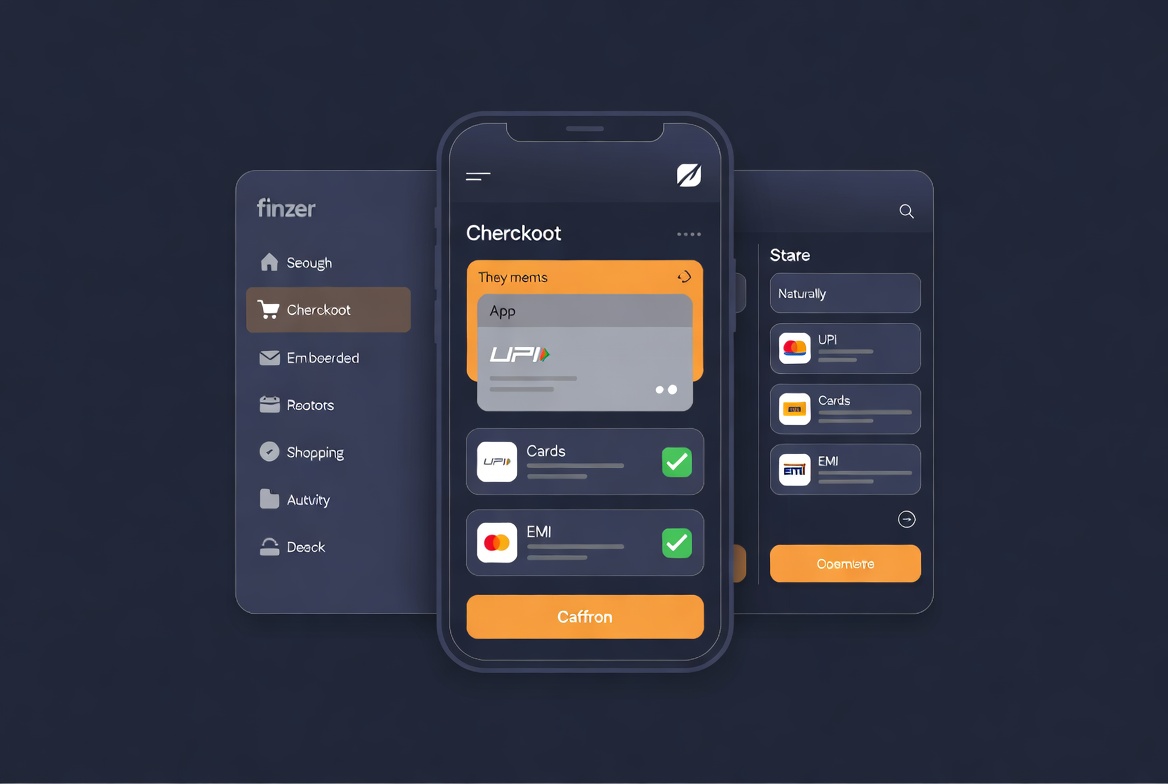
A customer adds a pair of headphones to their cart on a fashion marketplace. They click checkout. The payment screen appears instantly — with UPI, cards, and even an EMI option — all without ever leaving the app.
They don’t see a redirect. They don’t see another company’s logo. The entire experience feels like it belongs to the platform they trust.
This is embedded payments. And in India, it is quietly becoming one of the most important competitive advantages in digital commerce.
What Are Embedded Payments?
Embedded payments mean integrating payment acceptance directly inside a platform’s own application or website — instead of sending the customer to a third-party payment page.
Traditional way: Customer clicks “Pay” → gets redirected to a payment gateway page → completes payment → comes back.
Embedded way: Customer clicks “Pay” → the payment options appear seamlessly inside the same screen, with the platform’s own design and flow.
The platform controls the entire user experience, branding, and often earns a share of the transaction revenue.
Why Embedded Payments Matter More Than Ever in India
India’s digital payments landscape has unique characteristics that make embedded payments extremely powerful:
- Zero MDR on UPI for most transactions makes high-volume, low-friction payments economically viable at scale.
- UPI’s dominance creates a common rail that platforms can embed easily.
- Rise of super-apps and vertical platforms that want to own the entire customer journey.
- Embedded finance opportunity — turning the checkout moment into an instant lending/EMI opportunity.
Embedded Payments vs Traditional Payment Integration
| Aspect | Traditional Gateway | Embedded Payments |
|---|---|---|
| User Experience | Redirect to external page | Seamless, stays inside the app |
| Branding Control | Limited | Full control — white-labeled |
| Data Ownership | Fragmented | Consolidated with the platform |
| Revenue Opportunity | Mostly goes to gateway | Platform can earn share + new revenue |
| Conversion Impact | Lower (friction from redirect) | Higher (often 10-30% improvement) |
How Major Players Are Building Embedded Payments
Razorpay has positioned itself as India’s “Stripe” — developer-first with full-stack infrastructure. Their embedded checkout and financing products (instant settlements, working capital, BNPL) allow platforms to offer seamless payments + credit without building everything themselves.
Paytm operates as a super-app with deep ecosystem integration. Its strength lies in combining payments with credit, insurance, and other financial services inside one experience, often through strong banking partnerships (e.g., HDFC integration).
Stripe remains the global benchmark. Its clean, developer-friendly embedded components (Elements, Checkout, Connect) with full branding control have set the standard that many Indian platforms aspire to when building native payment experiences.
Cashfree excels in payment orchestration and embedded banking services for Indian merchants and platforms. It offers reliable UPI, card, and net banking rails along with strong payout and reconciliation tools, making it easier for platforms to embed payments without heavy engineering.
The Real Business Advantages
The Bottom Line
Embedded payments are no longer just a UX improvement. In India’s zero-fee, UPI-first world, they are becoming table stakes for any platform that wants to own the customer journey and unlock embedded finance revenue.
The winners will make payments feel invisible — while making the financial experience deeply valuable.
Note: Observations are based on publicly available information and industry trends as of mid-2026.