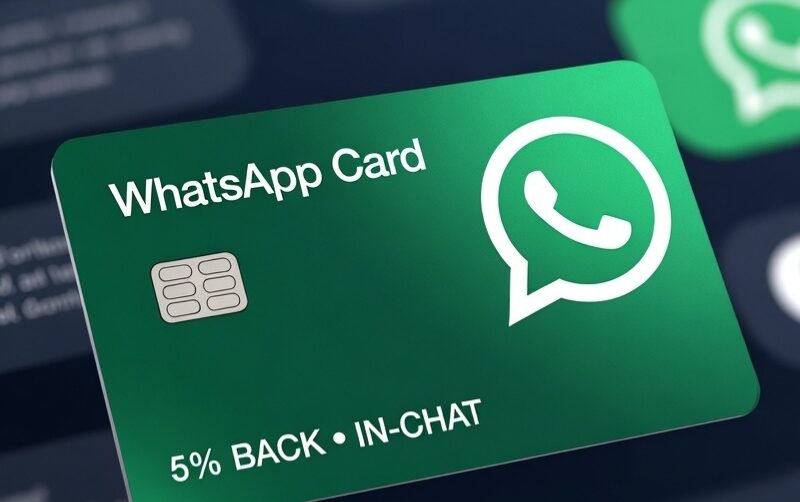

Co-branded cards aren’t just logo swaps.
Most fail for one boring reason nobody models upfront.
In 2025–2026, co-branded cards have become one of the fastest-growing segments in Indian credit cards. But behind the flashy partnerships lies a much more complex commercial reality.
A popular e-commerce brand launches a co-branded credit card with a leading private bank. The launch gets good press. The card gets decent acquisition in the first few months. Then, by year two, spends start stagnating and the partnership quietly loses steam.
This story has played out repeatedly in India. Co-branded cards look simple on the surface — put a brand logo on a credit card and watch the magic happen. In reality, they are complex commercial arrangements with very specific economics.
A co-branded card is not a marketing campaign. It is a long-term revenue-sharing and risk-sharing partnership.
What Co-branded Cards Actually Are
A co-branded credit card is issued jointly by a bank (or NBFC) and a non-bank partner (brand, retailer, fintech, or platform). The card carries the branding of both entities. The non-bank partner usually gets a share of interchange revenue or a fixed fee, while the bank handles credit risk, underwriting, and regulatory compliance.
The Real Economics Behind Co-branded Cards
| Revenue Stream | Who Gets It | Typical Split |
|---|---|---|
| Interchange Fee | Bank + Co-brand Partner | Bank keeps majority; Partner gets 20–40% |
| Annual Fee / Joining Fee | Mostly Bank | Partner may get a small share |
| Interest Income | Bank only | Partner usually gets nothing |
| Reward/ Cashback Cost | Shared or borne by Partner | Often funded by the brand |
| Merchant Discount Rate (MDR) | Bank | Partner may get volume-based incentives |
The real money is usually made on interchange and interest. Most brands underestimate how much they need to spend on rewards and acquisition to make the partnership meaningful.
Recent Developments in the Indian Market (2025–2026)
Co-branded cards have seen strong momentum in the last 12–18 months:
- Several major banks have aggressively partnered with quick commerce and e-commerce platforms.
- IPL franchise co-branded cards saw strong traction during the 2025 and 2026 seasons.
- Co-branded cards now contribute close to 17–18% of total credit card spends in India, with projections of reaching 25% by FY28.
- Newer partnerships are moving beyond traditional retail into categories like travel, education, and healthcare.
Why Most Co-branded Card Partnerships Underperform
From observing multiple partnerships, here are the most common reasons they lose steam:
| Issue | Why It Happens | Impact |
|---|---|---|
| Poor Alignment on Target Customer | Brand wants mass acquisition; Bank wants quality credit profiles | High rejection rates or low activation |
| Weak Reward Proposition | Brand is unwilling to fund meaningful rewards | Low card usage and spends |
| No Clear Governance | Partnership run by marketing teams on both sides | Slow decision making and missed opportunities |
| Over-reliance on Acquisition | Focus only on new card issuances instead of ongoing usage | High churn after first year |
What Actually Makes Co-branded Cards Work
The partnerships that scale successfully usually have these characteristics:
- Clear commercial alignment from day one (revenue share, reward funding, and risk ownership are clearly defined).
- Strong data sharing between the brand and the bank (with proper consent and compliance).
- Joint go-to-market ownership — not just marketing campaigns, but product and reward design.
- Long-term mindset — both parties treat it as a 3–5 year partnership rather than a one-year campaign.
A successful co-branded card is 30% product and 70% partnership management.
The card itself is just the product. The real work lies in aligning incentives, sharing data responsibly, funding rewards meaningfully, and running the partnership with proper governance. Without these, even the best-looking partnerships eventually lose momentum.
Note: Market share figures and trends mentioned are based on industry reports and public data available as of mid-2026. Specific commercial terms of partnerships are usually confidential.